
LIMITED TIME OFFER

FREE ACCESSORIES & HEATER with every greenhouse purchase! Up to $1,749 Value

Use Code:
PREMIUM2026
Use Code:
FREEHEAT
Get Details
How to Attract Bees to Your Greenhouse | Grandio Greenhouses

How to Attract Bees to Your Greenhouse

Transform your greenhouse into a bee haven with proven strategies for attracting these essential pollinators. Learn about bee-friendly plants, sustainable practices, and creating the perfect environment for natural pollination success.

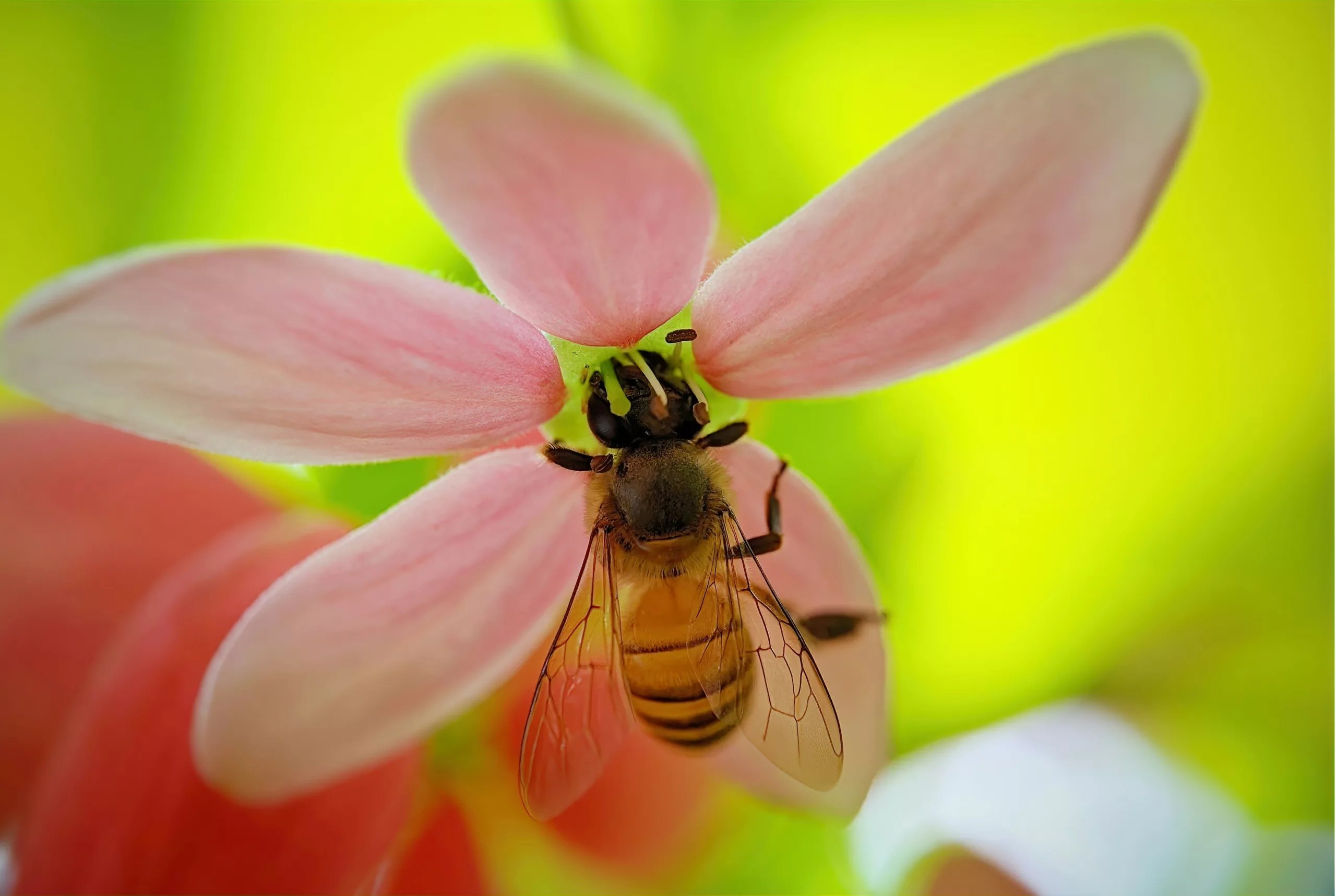
Bee pollinating flowers

One of the most beneficial things you can do for a garden is to attract bees to your greenhouse. These remarkable pollinators are essential for successful crop production and maintaining a healthy ecosystem within your growing space. Here, we provide comprehensive tips and suggestions for attracting these marvelous creatures to your greenhouse.

Creating a bee-friendly greenhouse environment not only improves pollination rates but also supports biodiversity and sustainable growing practices. By implementing these strategies, you’ll create a thriving ecosystem that benefits both your plants and local bee populations.

Include a Wide Range of Plants in Your Greenhouse

Instead of only growing one plant group such as just vegetables or flowers, try adding plants from multiple groups. A wider variety of plants will attract a wider variety of pollinators. Having a variety of plants means you will have plants blooming at different times of the year, giving you a better chance of attracting these efficient and effective pollinators.

Recommended Bee-Friendly Plants

Some bee-specific plants we recommend include:

  • Flowering vegetables – Squash, cucumber, and bean blossoms
  • Herbs – Basil, rosemary, sage, and chives
  • Native flowers – Bee balm, lupine, and milkweed
  • Aromatic plants – Lavender and catmint
  • Bright bloomers – Sunflowers, snapdragons, and California poppies

The USDA recommends common herbs such as rosemary, oregano, basil, marjoram, and borage as excellent pollinator plants. Bees are also drawn to wildflowers and native plants, which provide familiar nectar sources and support local bee populations. Consider creating dedicated pollinator zones within your greenhouse space.

Ohio State University Extension notes that bumble bees have become essential for greenhouse pollination, effectively replacing the need for manual pollination that formerly required shaking plants three times a week. SARE research indicates that bumble bees commonly pollinate over 25 crops worldwide, including many greenhouse favorites like tomatoes, peppers, and melons.

Succession Planting for Continuous Blooms

Plant flowers and herbs in waves throughout the growing season to ensure a constant source of nectar and pollen. This approach keeps bees returning to your greenhouse regularly and supports their nutritional needs year-round.

Provide Water and Shade

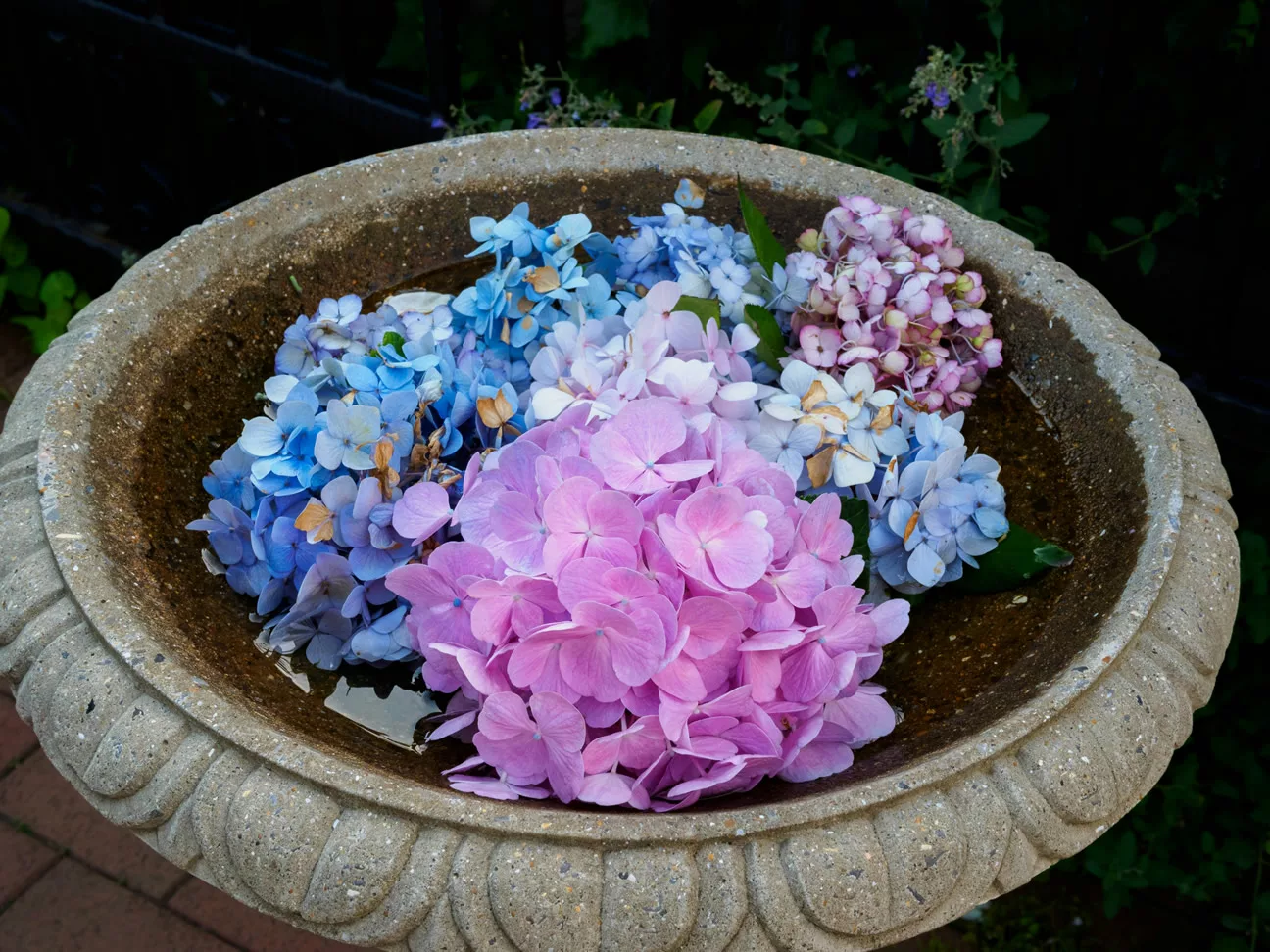
Just like any other living thing, bees need water to survive and regulate their body temperature. Adding a source of fresh water will encourage the bees to come to your greenhouse and stay more often. Bees cannot swim, so be sure to add a place for the bees to land and still be able to reach the water.

Water Source Options

Your water source could be as simple as a birdbath, or more extensive depending on your preference:

  • Shallow dishes with landing stones or cork pieces
  • Birdbaths with textured edges for grip
  • Small ponds with gentle slopes
  • Dripping water features that create sound attraction

Creating Adequate Shade

Bees also require shade, especially from the harsh afternoon sun. Too much sun can be draining and will expend too much energy. Enough shade in your greenhouse will help the bees to stay in your greenhouse more often, instead of needing to return to their hive to rest and protect from the sun.
Consider installing shade cloth during peak summer months or strategically placing taller plants to create natural cooling zones for visiting bees.

Leave Weeds in Your Garden

Not weeding as often will help your garden, and it’s less work for you! Weeds are native plants and bees will be drawn to them. Bees start coming out in the early spring when the weeds bloom and use the weeds as their main food source.

Some weeds also provide flowers, like dandelions, that are used for pollination. You wouldn’t want to let your greenhouse get overpowered with weeds, but leaving a few here and there can be more helpful than harmful.

Beneficial Weeds for Bees

Common beneficial weeds include dandelions, clover, chickweed, and plantain. These early bloomers provide crucial nutrition when few other flowers are available, especially in late winter and early spring.

Avoid Using Any Pesticides

Once you have bees visiting your greenhouse, the last thing you would want would be to cause them harm with pesticides meant for other insects. There are many other ways besides pesticides to get rid of pests or plant diseases that won’t harm pollinators or helpful insects.

No pesticides allowed icon

Pesticides contain harsh chemicals that can kill bees on contact, but they can also cause fertility issues that last through multiple generations. Research from UC Davis shows that bees exposed to neonicotinoids resulted in a 72% lower population growth rate compared to unexposed bees. University of Florida Extension notes that acute exposure to pesticides can kill individual honey bees and entire colonies immediately or within hours of exposure.

Eco-Friendly Pest Control Alternatives

There are more eco-friendly ways and alternatives to pesticides:

  • Natural oils – Neem oil, peppermint oil, thyme and rosemary oil
  • Homemade solutions – Insecticidal soaps and vinegar treatments
  • Beneficial insects – Ladybugs, lacewings, and parasitic wasps
  • Physical barriers – Row covers and sticky traps
  • Companion planting – Plants that naturally repel pests

Bees themselves have also been found to help control pests, so do what you can to attract more and more to create a balanced ecosystem.

Critical Timing for Treatments

If you must use any treatments, apply them in the evening when bees are less active, and always read labels carefully to ensure they’re bee-safe. Penn State Extension warns that even sub-lethal pesticide effects can impair bee learning, foraging ability, and immune response. Even organic treatments can be harmful if applied incorrectly.

Additional Strategies for Bee Attraction

Create Nesting Opportunities

While honeybees live in hives, many beneficial solitary bees need nesting sites. Consider adding:

  • Bee hotels with different sized holes
  • Undisturbed areas with bare soil for ground-nesting species
  • Hollow stems and plant materials left over winter

Maintain a Chemical-Free Environment

Beyond avoiding pesticides, maintain bee health by:

  • Using organic fertilizers and soil amendments
  • Avoiding treated lumber near plants
  • Choosing non-toxic cleaning products for greenhouse maintenance
  • Selecting untreated seeds and seedlings when possible

Monitoring and Maintaining Your Bee-Friendly Space

Successfully attracting bees requires ongoing attention to their needs and preferences. Regular observation will help you understand which plants and areas are most attractive to different bee species.

Signs of Success

Look for these indicators that your greenhouse is becoming bee-friendly:

  • Increased pollination rates and fruit set
  • Regular bee activity throughout growing season
  • Diverse bee species visiting different plants
  • Healthy plant growth and increased yields

We hope these tips help attract bees to your greenhouse and garden. Before long, you will hopefully hear the delightful sounds of busy bees buzzing in and around your greenhouse, creating a thriving ecosystem that benefits everyone involved!

Frequently Asked Questions

How long does it take to attract bees to a new greenhouse?
Bees typically discover new food sources within days to weeks, depending on local bee populations and the attractiveness of your plantings. Consistent blooms and water sources will encourage regular visits throughout the season.
Can I attract bees if there are no hives nearby?
Yes! Wild bees, including solitary bees and bumblebees, can travel considerable distances for good food sources. Even without managed honeybee hives nearby, native bee species will find and visit bee-friendly greenhouses.
What’s the best time of day for bee activity in greenhouses?
Bees are most active during warm, sunny periods, typically mid-morning through early afternoon. In greenhouses, this activity may extend longer due to the controlled environment and consistent temperatures.
Are there any plants I should avoid in a bee-friendly greenhouse?
Avoid plants treated with systemic pesticides and be cautious with double-flowered varieties that may be difficult for bees to access. Focus on single-flower varieties and plants known for high nectar and pollen production.
How do I balance bee attraction with pest control?
Use integrated pest management approaches that prioritize beneficial insects. Employ physical barriers, beneficial predatory insects, and targeted organic treatments applied when bees are least active (early morning or evening).